
FRESNO, Calif. (KGPE)- A former Fresno news anchor was scammed out of more than $70,000 after receiving a text message claiming to be from Robinhood, a stock trading app.
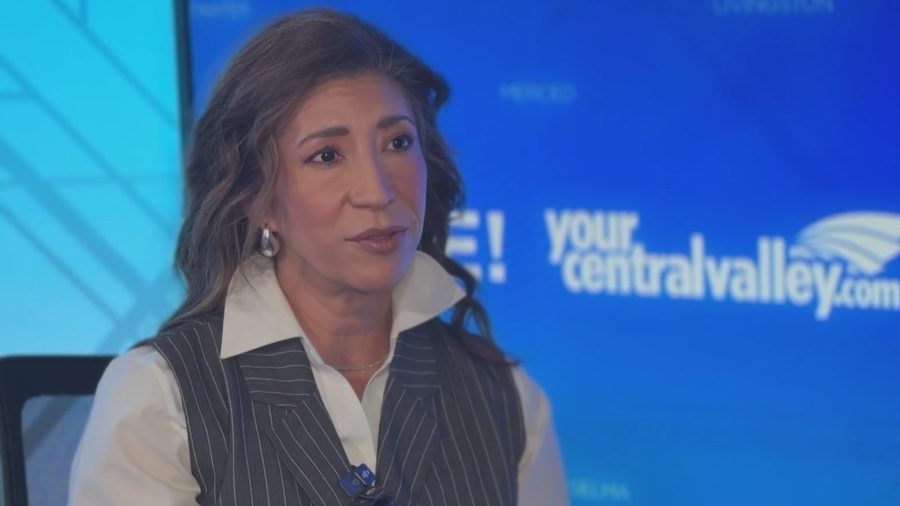
Longtime journalist Alex Delgado is back in the news, but this time the story is personal.
“I feel dumb, that I should have been smarter about it. I am in a very vulnerable place,” said Delgado. “If it can happen to me, and I am familiar with these, I covered it for the news, I hear about it all the time. It can happen to anyone.”
Back in March, while getting ready for a trip and in a rush, Delgado received a text message claiming there was suspicious activity on her Robinhood account.
“I received a text from Robinhood supposedly that said there was suspicious activity on my account that I needed to get ahold of them. So, I called the number that they provided and sure enough, they answered from Robinhood, and I told them. They said, ‘Not a problem, let me transfer you to the fraud department,’ so it was very legit. It sounded very legit,” Delgado said.
Delgado said the person on the line told her someone in Asia using an Android device was trying to access her account.
“They are trying to hack into your account right now, so we need to move that money into a different account while we conduct our investigation. Now keep in mind I am thinking I called Robinhood, so this is legitimate, these people are trying to help me,” Delgado said.
The scammer convinced Delgado to transfer all of the money in increments over two days.
“It is devastating because you do sacrifice a lot to save money, anybody. Whether it is $100, $1,000, or $100,000,” Delgado said.
When Delgado tried to get off the phone, she said the scammer pressured her to stay on the line. That’s when she realized it was a scam.
She reached out to the support team through the Robinhood app, but by the time they called back, the money had already been transferred.
“It was a little too late,” Delgado said.
Fresno Police Detective Timothy Johnson says people need to be more vigilant than ever as advances in artificial intelligence make scams increasingly sophisticated.
“Things are looking more and more official when it comes to email and text messages that look legitimately coming from financial institutions or private businesses,” Johnson said.
To avoid these types of scams, Johnson says people should be their own advocates.
He recommends independently verifying information and not simply taking someone’s word for it.
Johnson also advises people not to call numbers provided in text messages or emails. Instead, contact financial institutions using verified phone numbers found on their official websites or apps.
He says people should also watch for red flags, including a sense of urgency or attempts to create emotional distress.
“You just need to be extremely vigilant with the technology available to these fraudsters,” Johnson said.
Delgado filed claims with several institutions, but the money has not been recovered.
“Please, please, please be aware,” Delgado said. “That is what I would tell people. Unfortunately, don’t trust anybody. Except your mother.”
Delgado says she was told she will have a hearing on the matter, but she doesn’t know when it will happen.