


NORTH FORK, CA – Cortisol is most well known as the body’s “stress hormone,” but its role extends far beyond that. Cortisol is part of a complex, interconnected system that helps coordinate a wide range of bodily processes, from energy use to overall physiological balance. It reflects our physical, emotional, and environmental well-being. Understanding how lifestyle factors such as nutrition, sleep, movement, and stress management influence cortisol can provide valuable insights into achieving greater balance, resilience, and vibrant health.
What is Cortisol?
Cortisol is a steroid hormone produced in the adrenal glands which sit on top of each kidney. Cortisol levels naturally fluctuate throughout the day. They are highest in the morning, gradually decline throughout the day, and are lowest at night. When life is calm, cortisol is continuously working in the background to stabilize energy, regulate metabolism, control inflammation, maintain blood pressure, and maintain circadian timing and the sleep-wake cycle. Cortisol plays a very important role to keep key systems in balance.
In acute stress, cortisol helps the body respond quickly by mobilizing energy, increasing alertness, and supporting vital functions so you can handle the immediate challenge. The classic example given is running from a predator, which occurred more often in earlier times. Now cortisol is more likely to be triggered by our emotions. It supports what is known as the body’s “flight-or-fight” response. Consistently high levels over time can be damaging to your health.
Acute Triggers That Increase Cortisol
- Physical danger or perceived threat
- Intense exercise or sudden physical exertion
- Acute pain or injury
- Skipping a meal
- Sleep deprivation or sudden wakefulness
- Emotional stress (conflict, panic, shock, and embarrassment)
- Illness or infection
- Caffeine and other stimulants
- Sudden environmental stress, such as cold exposure and loud noise
- Time pressure or performance stress
Causes of Chronically High Cortisol
- Ongoing psychological stress (work pressure, caregiving, financial strain)
- Chronic anxiety, worry, or depression
- Chronic sleep deprivation
- Irregular daily routines, especially shift work or frequent time-zone disruption
- Long-term pain
- Chronic illness or ongoing inflammation
- Poor dietary choices (nutrient poor, high calorie, processed foods)
- Not eating enough total calories and too long between meals
- Alcohol, heavy use
- Overtraining (not enough recovery from exercise)
- Certain medications
- Rare tumors in the pituitary or adrenal glands
Symptoms of Short-Term High Cortisol
Cortisol is designed to help you respond to challenges. These effects help you adapt, and should resolve when the stressor ends.
- Increased alertness and wakefulness, making you feel “wired” or on edge
- Temporary increase in heart rate, blood sugar, and blood pressure
- Heightened focus and concentration
- Increased energy mobilization and reduced inflammation
Symptoms of Chronic High Cortisol
When cortisol remains elevated and the body’s stress-response system is chronically activated, symptoms tend to shift toward tissue breakdown and metabolic changes.
- Central weight gain, with fat accumulating around the abdomen or trunk and less in the arms and legs. This is the classic “belly fat” and “buffalo hump” (in the upper back and neck).
- Loss of muscle mass and reduced exercise tolerance
- Cognitive decline
- Osteopenia or osteoporosis
- Elevated blood sugar, insulin resistance, and type 2 diabetes
- High blood pressure, and increased risk of cardiovascular disease
- Digestion impaired
- Skin changes such as easy bruising, slower wound healing, thinning skin
- Chronic anxiety, depression, irritability, difficulty concentrating or “brain fog”
- Increased susceptibility to illness and slower recovery
- Chronic insomnia, waking up between 1am and 4am, and non-restorative sleep
- Increased appetite and cravings, especially for high-calorie/low nutrition processed foods
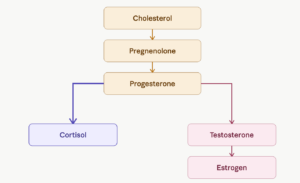
Cortisol and Sex Hormones
When the body is under chronic stress it prioritizes the “survival” role of cortisol over other hormones. This affects the sex hormones of men and women. Lower hormone levels results in decreased libido and sexual function, fatigue, reduced muscle mass, and increased abdominal fat. In women who are still having menstrual cycles this can also contribute to irregular or absent ovulation, infertility and PMS symptoms. During perimenopause and menopause chronic stress (high cortisol) can worsen symptoms of disrupted sleep, increased anxiety and irritability, and reduces hormone signaling. The production of estrogen and progesterone by the ovaries falls during this time, and the body depends more on the adrenals, fat tissue, skin and muscle to provide hormones. Chronic stress can further complicate this transition.
Fight or Flight
Another way to look at this complex biology is that we have two systems. One is concerned with “fight or flight” and this stress system includes cortisol, adrenaline, and the sympathetic nervous system. The second is known as “rest and digest” and this recovery system includes the parasympathetic nervous system. You may have heard about the Vagus Nerve, which is a very important part of the parasympathetic nervous system. When your body is concerned with survival, functions that are not absolutely necessary (such as reproduction, digestion, and repair) have less priority.
Tell Your Body It Is Safe
How can you shift out of chronic activation of your stress response and elevated cortisol? You need to prioritize things that tell the body that it is safe and there is no immediate real threat.
- Good quality sleep
- Regular, balanced meals
- Avoid calorie restriction and skipping meals
- Avoid processed foods (white sugar, white flour, vegetable oils)
- Stay hydrated
- Healthy gut microbiome (include probiotic foods such as yogurt and sauerkraut)
- Relaxed breathing that encourages a calm state
- Positive social connections and support
- Gentle movement, like walking
- Predictable routine
- Quiet downtime (recharge time, 10 min breaks, pause moments)
- Relaxation states (time in nature, hobbies, reading, petting an animal, meditation)
- Grounding (bare feet on the earth)
Stress suppresses recovery. This is very harmful when it becomes chronic. Learn what triggers your stress and consider how to take care of yourself physically and emotionally when a situation arises. Many symptoms blamed on high cortisol – fatigue, weight gain, anxiety, and poor sleep – can also result from numerous other conditions. To sort out how to regain your health, it can be very helpful to work with an experienced healthcare professional. Particularly one who has a holistic approach.
Read previous articles here: Focus On Vibrant Health.
Dr. Veronica Tilden can be your ally in having vibrant health. She uses traditional hands-on osteopathy and helps you take responsibility for your health, guiding you to make better choices in your life. She brings her 30 years of experience to her hometown at her office in North Fork. You can find out more and schedule an appointment at DrVeronicaTilden.com.