
WASHINGTON, D.C. – When leaders from the Rural County Representatives of California (RCRC) traveled to Washington, D.C. in mid-February, the conversations they carried to Capitol Hill were not abstract policy discussions — they were rooted in the day-to-day realities of counties across the Sierra, including Mariposa County and Madera County.
Among those representing rural California was Mariposa County Supervisor Miles Menetrey, who joined fellow RCRC officers in meetings with congressional staff, federal agencies, and national policymakers to advocate for rural infrastructure, land management, healthcare, and disaster resilience.
While Congress was in recess, the delegation met with staff from numerous California congressional offices as well as federal agencies that directly shape policy in mountain and foothill communities. Discussions centered on issues that Sierra counties grapple with daily — wildfire risk, forest health, insurance availability, tourism-based economies, and the need for dependable broadband connectivity.
Why the Trip Matters for the Sierra
For counties in the central Sierra, federal policy is not distant bureaucracy — it is often the determining factor in local economic stability and public safety.
Large portions of both Mariposa and Madera counties are federally managed land, meaning decisions by agencies such as the U.S. Forest Service and the National Park Service influence everything from wildfire mitigation projects to road access, recreation economies, and watershed protection.
RCRC delegates met with both agencies, along with the Department of the Interior and agricultural committees, to stress the importance of:
-
Faster approvals for forest thinning and fuel-reduction projects
-
Expanded local participation in land management decisions
-
Improved disaster recovery programs for rural counties
-
Better coordination between counties and federal land managers
These issues resonate strongly in Sierra communities where wildfire, tourism, and public lands intersect.
Broadband and the Rural Economy
One of the delegation’s top priorities was closing the digital divide. In a meeting with Federal Communications Commission Chair Brendan Carr, RCRC leaders highlighted the continuing connectivity challenges facing mountain and foothill communities.
Reliable broadband access remains inconsistent in parts of the Sierra, affecting remote workers, small businesses, telehealth access, and student learning. Delegates pointed to RCRC’s work through the Golden State Connect Authority, a public-sector broadband initiative aimed at expanding open-access infrastructure in underserved rural regions.
For Sierra counties, expanded broadband capacity could help diversify local economies beyond seasonal tourism while improving emergency communication during disasters.
Healthcare, Insurance, and Recovery
RCRC representatives also pressed federal officials on rural healthcare funding and insurance availability — two growing concerns across mountain communities.
Hospitals and clinics in rural counties often operate on thin margins, and insurance withdrawals from wildfire-prone areas have compounded financial stress on residents and local governments alike. Delegates urged federal leaders to strengthen support systems and improve disaster funding mechanisms that better reflect rural realities.
They also emphasized the need for regulatory reform, including proposals to streamline how federal appropriations reach counties and expand tools like the Good Neighbor Authority, which allows counties and states to partner with federal agencies on land management and wildfire mitigation projects.
Continuing Advocacy Through National Partnerships
Following their Capitol Hill meetings, several RCRC leaders remained in Washington to participate in the legislative conference of the National Association of Counties, where rural priorities were elevated in broader national discussions about infrastructure, economic development, and public lands.
What RCRC Does — and Why It Matters Locally
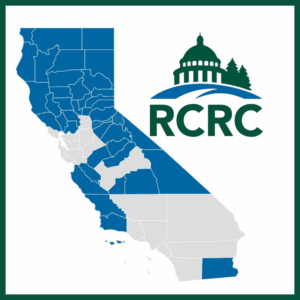
Founded in 1972, RCRC represents 40 rural California counties and serves as one of the primary advocacy voices for regions outside the state’s major urban centers.
The organization works at both the state and federal levels to influence legislation, funding allocations, and regulatory frameworks affecting rural jurisdictions. Its policy priorities often focus on:
-
Wildfire prevention and forest management
-
Transportation and infrastructure funding
-
Rural housing and economic development
-
Water access and watershed protection
-
Broadband expansion and digital equity
For Sierra counties, RCRC’s role is particularly significant because many local challenges stem from federal or statewide policy decisions beyond the direct control of county governments.
Trips like the February advocacy visit help ensure those policies reflect on-the-ground realities in mountain communities where geography, public lands, and limited tax bases create unique constraints.
Local Impact of National Advocacy
While the meetings in Washington may seem distant from Sierra foothill towns, their outcomes can shape future funding for forest restoration, broadband projects, disaster relief, and healthcare services.
For residents of Mariposa, Oakhurst, and the surrounding communities, these discussions ultimately influence the infrastructure investments, emergency response capabilities, and economic opportunities available in the years ahead.
For more information about the trip or RCRC’s ongoing advocacy work, inquiries may be directed to the organization’s government affairs office.
Also Read:
Mariposa County Supervisor Miles Menetrey Installed as Chair of RCRC